Make It Hard: The Counterintuitive Reason Your Favorite Niche Obsession Refuses to Be Easy
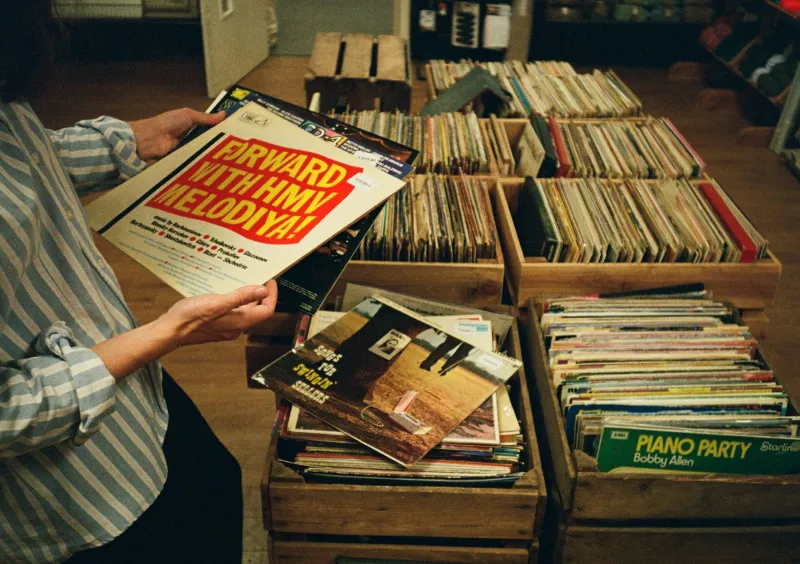
Imagine two versions of the same album. One is available everywhere, instantly, in every format, at no cost. The other requires you to enter a code from a limited vinyl pressing, create an account on a platform you've never heard of, and listen in a specific order determined by the artist. Same music. Wildly different experience.
Most product designers would call the second version broken. The niche entertainment world would call it a feature.
Friction — the deliberate introduction of effort, scarcity, or accessibility barriers — has become one of the most powerful tools in the niche creator's kit. Not because audiences enjoy being frustrated, but because the act of working for something changes how it feels when you get it. The communities built around difficult-to-access content aren't suffering through the difficulty. They're bonded by it.
The Effort-Value Illusion (That Isn't Really an Illusion)
There's a well-documented psychological principle sometimes called the IKEA effect: people assign more value to things they've helped create or acquire through effort. You love that bookshelf more because you built it. You remember the album more because you had to hunt it down.
Niche entertainment has been running this experiment for decades before anyone named it. The VHS tape that circulated through a network of horror fans who had to know someone to get a copy. The zine you could only find at a specific record store in a specific city. The forum you had to be vouched into. All of these created value through difficulty, and the fans who found their way in developed attachments that casual consumption never generates.
What's changed is that this is now being done intentionally, architecturally, as a deliberate choice rather than an artifact of limited distribution. Creators and platforms are designing friction into experiences because they've figured out — sometimes consciously, sometimes through trial and error — that it works.
The Drop Economy
Limited merchandise drops are the most visible application of deliberate friction in the entertainment world right now. The model, borrowed from streetwear culture and applied everywhere from indie podcasts to cult animation studios, works on a simple principle: scarcity plus time pressure plus effort creates desire that wouldn't exist if the item were simply available.
The friction here is layered. You have to know the drop is happening (community membership). You have to be present at the right moment (attention investment). You have to complete the purchase before inventory runs out (urgency). And increasingly, some drops add additional barriers — password-protected stores, geographic restrictions, prior purchase requirements — that function as loyalty filters as much as sales mechanics.
The result is that the item carries the story of its acquisition. The hoodie isn't just a hoodie; it's evidence that you were paying attention, that you were part of the community, that you cared enough to show up. That narrative is worth more to the right audience than any product feature.
ARGs and the Pleasure of Being Confused
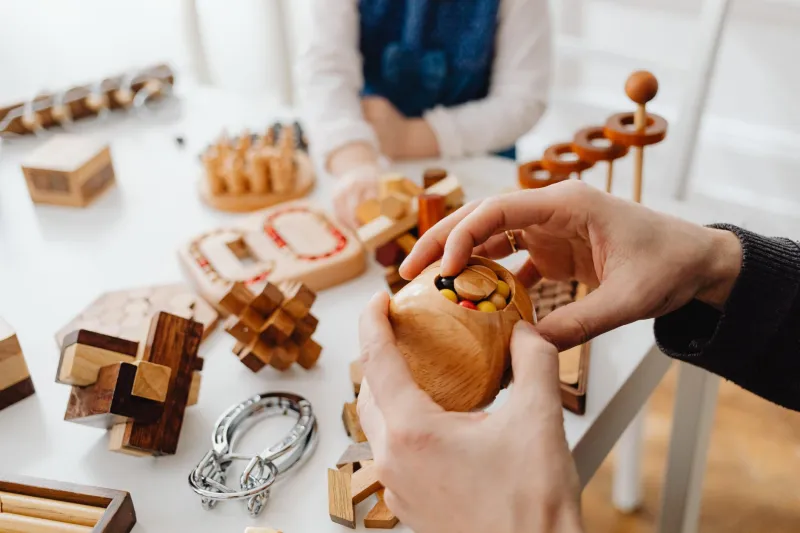
Alternate reality games — those sprawling, puzzle-based experiences that blur the line between fiction and real life — represent friction at its most elaborate. The entire format is built on the premise that audiences will invest significant time and cognitive effort in exchange for story access that couldn't be delivered any other way.
The communities that form around ARGs are among the most intensely bonded in entertainment. Partly because the shared experience of solving creates genuine collaboration and history. But also because the barrier to entry is high enough that everyone present has demonstrated real commitment. You don't stumble into an ARG community. You work your way in.
Smaller-scale versions of this logic appear throughout niche entertainment. Podcast episodes hidden in newsletter archives. Bonus content accessible only through specific listening behaviors. Film screenings announced through community channels rather than public promotion. Each of these introduces a small amount of friction that separates engaged audiences from passive ones — and rewards the engaged with something the passive never receive.
Platform Friction as Identity
Some of the most interesting applications of deliberate friction are at the platform level. Services that are genuinely harder to use than their mainstream competitors but have built fierce loyalty among specific audiences.
Bandcamp's interface is not optimized for casual browsing. It requires more active engagement than Spotify — you're making decisions, not just accepting recommendations. But that active quality is part of why its users tend to be more deeply connected to what they find there. The effort of discovery is part of the experience.
Similarly, platforms that require subscription, application, or community membership to access content create a self-selecting user base. Everyone present has already demonstrated a level of commitment that changes the character of the community. The friction of entry is doing curatorial work that no algorithm could replicate.
When Friction Becomes a Wall
It's worth being clear about where this breaks down, because friction isn't universally good — it's contextually good.
Friction that filters for engagement works. Friction that filters for wealth, connections, or luck doesn't serve the community; it just advantages people who already have advantages. The limited drop that sells out in two seconds because bots bought everything isn't building loyalty — it's building resentment. The invite-only community that never actually expands isn't curating; it's just closed.
The difference between friction as a feature and friction as a failure is whether the barrier is legible and fair. Can someone understand what's required of them? Is the effort within reach of the people you actually want to include? Does overcoming the barrier feel earned rather than arbitrary?
The best friction is honest about what it's doing. It says: this requires something from you, and here's what that something is. The communities and creators who get this right end up with audiences who feel genuinely proud of their membership — not because they were lucky enough to get in, but because they worked for it.
The Loyalty Equation
Ultimately, friction in niche entertainment is about the same thing all good niche community design is about: creating conditions for genuine investment. Passive consumption generates passive audiences. Effort generates ownership.
When someone works to find a thing, to access it, to understand it, to stay current with it — they stop being a consumer and start being a participant. That shift is the whole ballgame for niche creators. It's the difference between an audience that follows you and one that advocates for you, that shows up when it matters, that sticks around when the algorithm stops pushing your work.
Make it a little harder. Not impossible. Not arbitrary. But hard enough that getting there means something. The people who make it through will tell you it was worth it.