The Night Shift Never Logs Off: Inside the 2 A.M. Economy of Small Online Communities

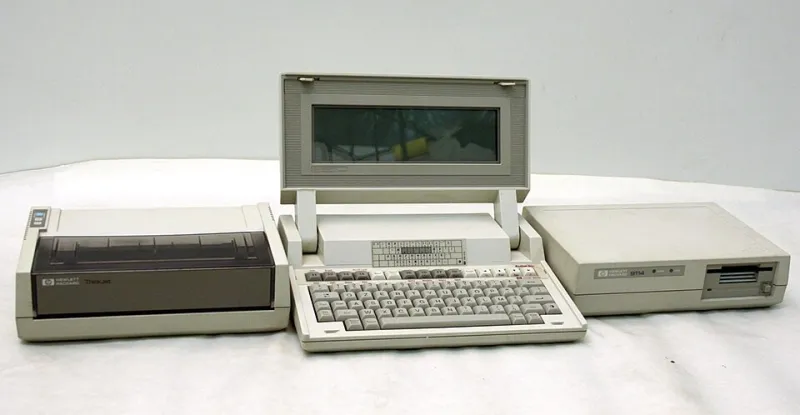
Photo: Shixart1985, CC BY 2.0, via Wikimedia Commons
At 2:17 a.m. Eastern, the internet is a different place. The algorithmic feeds have gone quiet, the brand accounts have stopped posting, and the group chats have gone dark. But in a Discord server with 400 members dedicated to a discontinued Japanese rhythm game, the conversation is just getting started.
This is the overnight shift of internet culture — and almost nobody talks about it.
Who's Actually Awake
Spend enough time in niche communities and you'll notice the same names appearing in the dead hours. They fall into three loose camps.
There are the night-shift workers: the ER nurses, the warehouse pickers, the security guards, the bakers who clock in at 4 a.m. For them, the 2 a.m. scroll isn't insomnia — it's a lunch break. A moderator of a mid-sized retro computing forum told us that his most active stretch is 1 to 4 a.m., driven largely by hospital staff on their phones between rounds.
Then there are the international members. A community that looks "dead" at 9 p.m. in Ohio might be having its busiest hour in Berlin or Manila. Small forums are global by necessity, and the overnight American hours are often just someone else's afternoon.
And finally, the true insomniacs — the people whose brains simply won't shut off. They're often the community's most prolific posters, and their 3 a.m. threads have a distinctive texture: longer, stranger, more confessional.
Why the Quiet Hours Hit Different
Something happens to online conversation when the audience shrinks. During the day, a post in a niche community competes with work emails and family obligations. At 2 a.m., it competes with nothing.
"Daytime posting is performative," one longtime member of a film noir forum told us. "Night posting is just... whatever you're actually thinking." Threads started after midnight tend to run longer, drift further off-topic, and produce the kind of small personal disclosures — job losses, breakups, health scares — that daytime threads never touch.
There's a structural reason too. With fewer people online, every reply matters. Nobody's comment gets buried in ninety seconds. The ratio of posters to lurkers inverts, and the community briefly becomes a conversation between equals instead of a broadcast.
The Moderators of the Night
Every small community has at least one mod who lives in the wrong time zone for their own server. These are the people closing spam reports at 3:30 a.m., quietly, without recognition.
One moderator we spoke with — who asked to remain anonymous because she moderates a mental health adjacent community — described the night shift as "the emotional labor shift." The heavy posts, the crises, the member who hasn't logged in for two weeks: that's what surfaces overnight. "You learn to be a decent human being at 2 a.m. or the community doesn't survive," she said.
A Culture Built While You Slept
Here's the thing most daytime users never realize: a huge share of a niche community's culture — its inside jokes, its pinned wisdom, its norms — was forged in these hours. The 2 a.m. crowd is small, but it's the connective tissue. They're the ones who welcome the new member at 3 a.m. because nobody else is awake to do it.
So if you've ever stumbled into a small forum and wondered why it feels warmer than the big platforms, consider this: warmth is built overnight, by people the rest of the internet never sees.