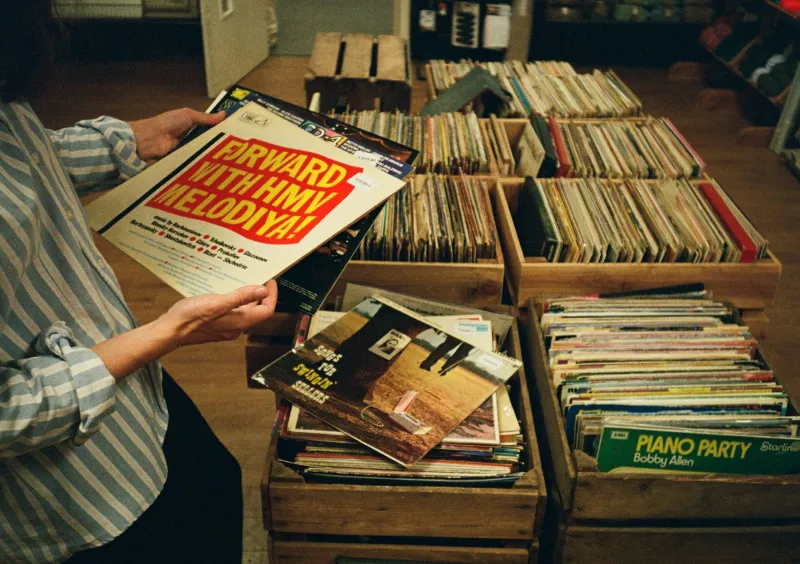
Who Gets a Key: The Impossible Decisions Niche Community Leaders Make Every Single Day
There's a moment every niche community dreads. It usually starts small—a Reddit thread gets cross-posted somewhere it shouldn't, a TikTok blows up, a Spotify playlist gets featured. Suddenly the inbox is full of strangers asking where to start, what the rules are, and why everyone's being so unwelcoming. The moderators who built the place from nothing are left staring at their dashboards trying to figure out what just happened to their home.
This isn't a hypothetical. It's a Tuesday.
The People Actually Making the Calls
Most people who talk about gatekeeping do it from the outside—critics who think exclusivity is snobbery, or fans who feel unfairly locked out. But the people in the middle of it, the ones approving or rejecting membership requests at 11pm on a weeknight, rarely get asked what they actually think.
Take the mod team behind a mid-sized Discord server dedicated to a specific subgenre of underground electronic music—around 4,000 members, deliberately kept there. They run a manual approval process. Every new member request gets reviewed. "We ask three questions," one of the lead mods explained. "Not trivia. Just things that tell us if someone actually cares or if they heard one song on a playlist and want clout by association." The rejection rate hovers around 40 percent. They don't feel bad about it.
Or consider the admin of a long-running forum community built around an obscure corner of analog film photography. The forum has existed in some form since the early 2000s. It survived MySpace, survived Tumblr, survived Instagram nearly eating the entire hobby alive. "We've had offers to merge with bigger platforms three times," the admin said. "Every time, we said no. The second you scale, you lose the signal-to-noise ratio that makes the place worth being in."
Unspoken Rules and the Vibe Tax
Here's the thing about niche community gatekeeping that rarely gets discussed honestly: a lot of it isn't written down anywhere. It's not in the rules pinned at the top of the channel. It's cultural, which makes it both more effective and more difficult to defend when outsiders call it elitist.
Every community has what you might call a vibe tax—an unspoken set of expectations around how you talk, what you reference, how much you already know before you open your mouth. New members who pass the vibe tax get welcomed. Those who don't tend to self-select out, or get quietly nudged toward the exit. It's not always fair. Sometimes genuinely curious newcomers get chilled out before they ever find their footing.
But the moderators who think about this stuff seriously—and plenty of them do—aren't operating without self-awareness. "I know we lose people who would've been great," said one forum admin who runs a community around a niche tabletop game with maybe 8,000 active players worldwide. "But the alternative is losing the fifty people who've been here for six years and built the actual culture. That's not a trade I'm willing to make."
The Sustainability Problem Nobody Wants to Talk About
Growth isn't just a cultural threat—it's also the only thing keeping most of these communities financially alive. Patreon tiers, server boosts, merchandise runs, community-funded zines: all of it depends on a base large enough to fund operations. The math gets uncomfortable fast.
A Discord server with 500 deeply committed members might generate less monthly revenue than one with 5,000 casually engaged ones. The economics push toward scale even when the culture screams against it. "We had a conversation about opening up membership to hit a revenue target," one mod team member admitted. "We didn't do it. But we had the conversation. That felt like a line we crossed just by having it."
Some communities have found workarounds—tiered access models where the outer ring is open and the inner sanctum stays protected. Others have experimented with application processes that create friction without being outright exclusionary. A few have leaned into transparency, publishing their moderation philosophies publicly so that prospective members know exactly what they're walking into.
When Gatekeeping Goes Wrong
None of this is without cost. The same mechanisms that protect community culture can calcify into something uglier—cliques that reject outsiders not because they don't fit but because the existing members simply don't want competition. Spaces that were once genuinely about passion can curdle into status games where the gatekeeping is more about ego than preservation.
"I've watched it happen to other communities," said one scene veteran who's been part of several underground music spaces over the past decade. "The original intent was good. Protect the thing you love. But at some point it stopped being about the music and started being about who got to be cool. Those communities always die. Just slower."
The healthiest spaces seem to be the ones where the people in charge are willing to interrogate their own gatekeeping honestly—asking not just who they're keeping out but why, and whether that reason still holds.
The Dilemma Doesn't Resolve
There's no clean answer here, which is probably why the conversation keeps happening. Every niche community that survives long enough will face some version of this choice. The ones that navigate it best aren't the ones with the strictest rules or the most open doors—they're the ones with moderators and admins who are willing to sit with the discomfort of the decision and make it deliberately, rather than letting it get made for them by an algorithm or a viral moment.
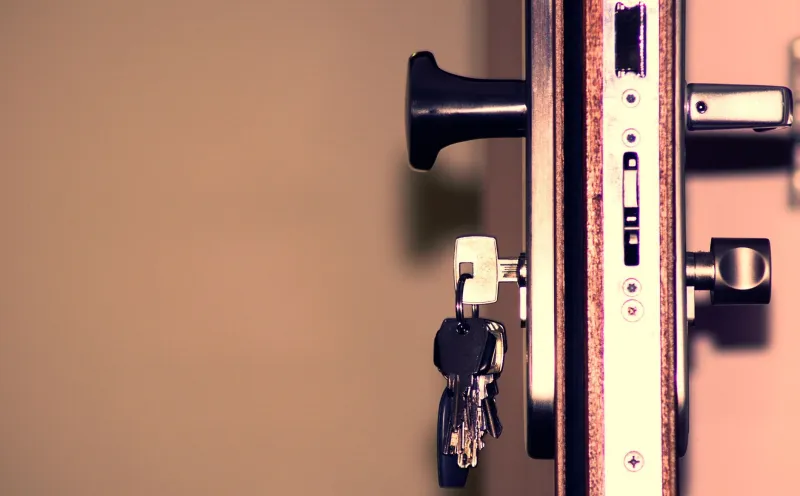
Holding the keys is harder than it looks from the outside. Most of the people doing it didn't sign up for the job so much as the job found them. They're trying to protect something real. Whether they succeed usually depends on whether they can keep asking themselves the hard questions—even when the inbox is full and the server is blowing up and someone on Twitter is calling them gatekeepers like it's an insult.
Sometimes it is. Sometimes it's the whole point.